
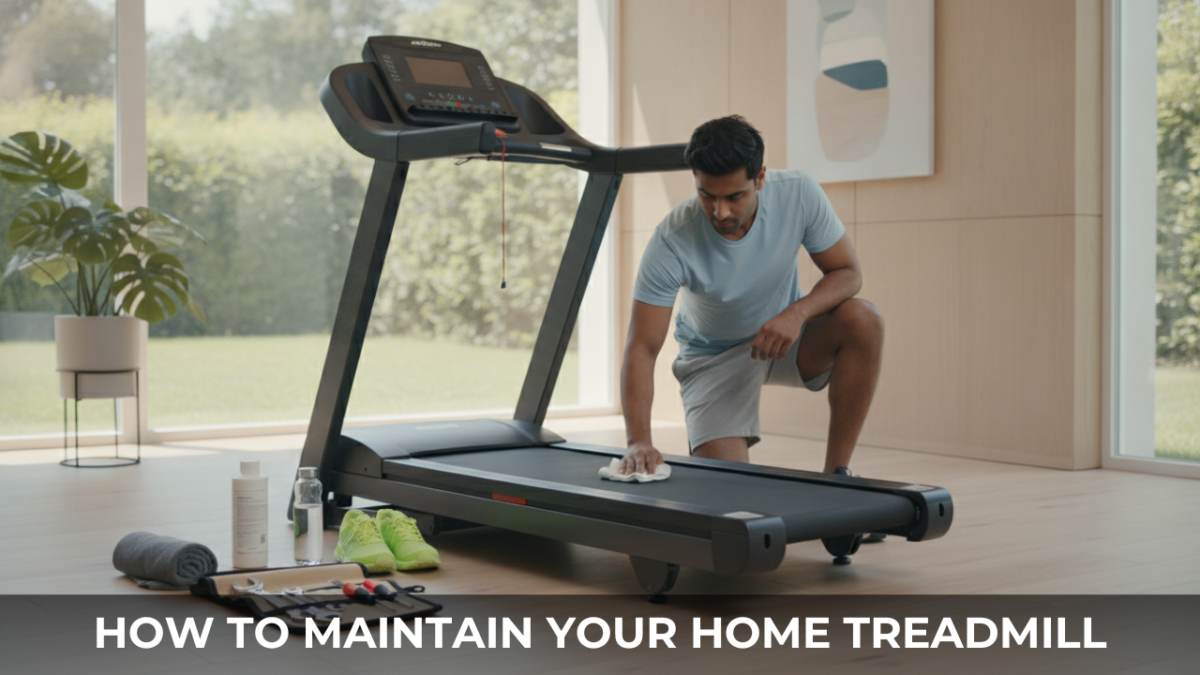
Most people spend a lot of time choosing the right treadmill. They compare features, read reviews, watch videos, and try to figure out which model offers the best value. But once the treadmill arrives and becomes part of the house, maintenance is usually the last thing on anyone’s mind. And honestly, that’s understandable. Nobody buys a treadmill because they’re excited about cleaning it. The good news is that keeping a treadmill in good condition doesn’t require a lot of effort. A few simple habits can help your machine last longer, perform better, and save you from dealing with unnecessary repairs later on.
Step 1: Don’t Let Dust Take Over
It sounds simple, but dust is one of the biggest enemies of any treadmill. Every workout brings a little dirt onto the belt. Add in dust from the room, pet hair, and the occasional sweaty workout, and things start to build up faster than you might think. You don’t need to deep clean the machine every week. A quick wipe-down of the console, handrails, and running deck every few days is usually enough. It’s also worth vacuuming around the treadmill from time to time, especially underneath it where dust tends to collect unnoticed. Think of it like looking after your car. Small maintenance habits prevent bigger problems later.
Step 2: Keep an Eye on the Belt
If your treadmill ever starts feeling a little different during a workout, the belt is often the first place to look. Maybe it feels slightly uneven. Maybe it drifts a little to one side. Maybe there’s a slight slipping sensation when you walk or run. These issues are usually minor at first, but ignoring them can lead to bigger problems over time. A quick visual check every few weeks can help you spot things early. If the belt doesn’t look centered or feels unusual during a workout, it’s worth making a small adjustment before the problem gets worse.
Step 3: Don’t Forget Lubrication
Ask anyone who repairs treadmills regularly, and they’ll probably tell you the same thing. One of the most common maintenance mistakes is forgetting about lubrication. The belt and deck create friction every time you use the machine. Over time, that friction can put additional strain on both the belt and the motor. Most treadmill manufacturers provide lubrication guidelines, but many users simply forget about them. Owners of models like the PowerMax TDM-125 Motorized Treadmill often find that sticking to a regular maintenance schedule helps keep workouts feeling smoother and quieter over the long run. It’s one of those small tasks that doesn’t seem important until you notice the difference.
Step 4: Check for Loose Parts
Treadmills experience a surprising amount of vibration during workouts. Even if everything feels solid today, bolts and screws can gradually loosen over time. Every month or so, take a few minutes to inspect the machine. Check the handrails. Look at the console. Make sure everything feels secure. You don’t need to become a technician. You’re simply looking for anything that seems looser than it should be. Catching a small issue early is always easier than fixing a larger one later.
Step 5: Give the Motor Some Attention
You don’t need to understand how treadmill motors work to know they’re important. The motor does most of the heavy lifting every time you step onto the machine. That’s why it’s worth keeping the area around your treadmill clean and well-ventilated. If possible, avoid placing your treadmill in areas where dust accumulates heavily or where moisture could become a problem. A clean environment can go a long way toward helping your fitness equipment perform reliably for years.
Step 6: Listen to Your Treadmill
One of the easiest maintenance tips is also the most overlooked. Pay attention to unusual sounds. Most people know how their treadmill normally feels and sounds. So if something changes, don’t ignore it. A new squeak. An unusual vibration. A belt that suddenly feels different. These things don’t automatically mean something is wrong, but they’re often worth investigating before they turn into bigger issues. Your treadmill usually gives you small warning signs before a major problem develops.
Step 7: Use It the Way It Was Intended
This might sound obvious, but proper use is actually part of treadmill maintenance. Using appropriate footwear, staying within the recommended weight limit, and following basic operating guidelines can help reduce unnecessary wear and tear. The better you treat your treadmill, the better it will treat you. And considering that many people rely on a treadmill for home use several times a week, those small habits can make a noticeable difference over time.
Why Maintenance Is Worth It
A lot of people think of maintenance as something you only do when a machine starts having problems. In reality, the best maintenance happens before problems appear. A treadmill that’s cleaned regularly, properly lubricated, and occasionally checked over tends to feel better to use. It runs more smoothly. It lasts longer. And perhaps most importantly, it’s always ready when you are.
Final Thoughts
The truth is, treadmill maintenance isn’t difficult. It’s just easy to forget about. A few minutes of cleaning here. A quick belt check there. Maybe some lubrication every now and then. None of it takes much time, but those small habits can make a huge difference over the life of your machine. Whether you’ve recently bought a treadmill for home use or you’ve been using one for years, taking care of your equipment is one of the simplest ways to protect your investment and keep your workouts running smoothly. Because the best treadmill is the one that’s always ready when you need it.